
Finding Life on Mars: What We Know and Where We Are Looking
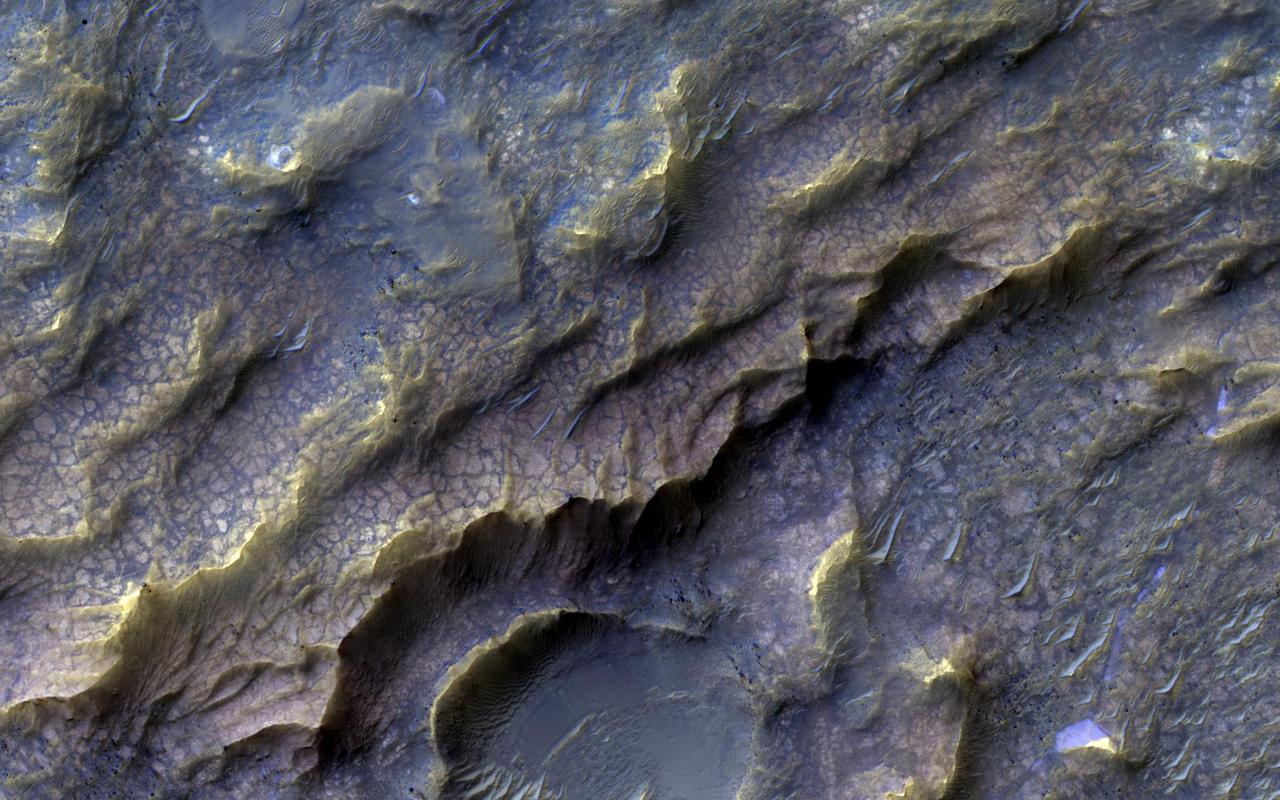
Mars is a cold, red desert today, but its dusty surface hides a wet and active past. We have found dried up river beds and giant lake basins that prove water once flowed across the land. Finding life on Mars is the biggest goal for space agencies right now.
The short answer is that we have not found any living aliens or even tiny bacteria on the Red Planet yet. However, we have found organic molecules, which are the building blocks of life as we know it. These molecules were tucked away in rocks that are billions of years old. We also know that Mars has frozen water at its poles and salty liquid water might still hide deep underground.
Why we think Mars once had life
Billions of years ago, Mars looked a lot like Earth. It had a thick atmosphere that kept the planet warm enough for rain to fall. We see the marks of this water everywhere we look. Large canyons and winding paths show where massive floods once rushed over the rocks. If you look at pictures from the rovers, you can see rounded pebbles that only get that shape by tumbling in a river for a long time.
Life on Earth started in water, so it makes sense to think the same thing happened on Mars. Earth and Mars were like twin planets in their youth. While Earth stayed green and wet, Mars lost its air and dried up. Scientists want to know if life had enough time to start before the planet turned into a frozen wasteland. Even a simple microbe would be a huge discovery.
When we study the Solar System, Mars stands out as the most reachable place to check for past life. It sits right on the edge of the habitable zone where it is not too hot and not too cold. If life happened twice in one star system, it means the universe is likely full of living things. That is why we keep sending robots to dig in the dirt.

The search for organic molecules in the dirt
Finding organic molecules is not the same as finding life, but it is a great start. These are chemicals that contain carbon, which all living things on Earth use. The Curiosity rover found these molecules inside rocks in Gale Crater. These rocks were formed from mud at the bottom of an ancient lake. It is amazing to think that these tiny clues survived for three billion years.
The rocks act like a time capsule. When the lake dried up, the mud turned into stone and trapped whatever was inside. By drilling into these stones, we can see what the chemistry was like back then. We found things like sulfur and nitrogen, which are part of the recipe for a living cell. It shows that Mars had all the right ingredients to cook up life.
Sometimes, we find things that are harder to explain. Methane gas is one of those things. On Earth, most methane comes from living cows or rotting plants. We have detected bursts of methane in the Martian air. It could be from a chemical reaction in the rocks, or it could be from tiny microbes living deep in the soil today. We are still trying to solve this mystery.
How the Perseverance rover is hunting for fossils
The Perseverance rover is the most advanced lab we have ever sent to another world. It landed in a place called Jezero Crater because that spot used to be a river delta. On Earth, river deltas are perfect for catching and burying fossils. The rover uses a high tech drill to take core samples of the rock that are about the size of a piece of chalk.
Instead of testing everything on Mars, this rover is packing the samples into small tubes. It drops these tubes on the ground so a future mission can pick them up and bring them back to Earth. This is a huge step because labs on Earth are much bigger and better than what we can fit on a rover. We will be able to look for microscopic fossils that a robot might miss.
This mission is like a very slow treasure hunt. The rover has to move carefully across the sand and avoid sharp rocks that could rip its wheels. It uses artificial intelligence to find the best path. Every day, it sends back stunning photos that show us things no human has ever seen before. It feels like we are right there with it, walking across the orange dust.
Is there liquid water on Mars today?
Mars is very dry now, but water is still there. Most of it is frozen as ice at the north and south poles. If you melted all that ice, it would cover the whole planet in a shallow ocean. But life needs liquid water to grow and move around. Scientists have seen dark streaks on crater walls that appear in the summer and vanish in the winter.
These streaks might be very salty water flowing just under the surface. Salt acts like an antifreeze, letting water stay liquid even when it is freezing cold. If there are wet spots under the ground, that is where we might find something alive today. It would be hidden away from the harsh radiation from space that hits the surface.
Living things can survive in very tough places. We see this on our own planet when we look at animals that live the longest on our planet and survive in the deepest oceans. If a tiny shrimp or a worm can live in total darkness under miles of water, maybe a Martian microbe can live in a salty pocket of mud under the red dust. Nature is very good at finding a way to survive.
The challenge of radiation and the thin air
One of the biggest problems for life on Mars is the lack of a magnetic field. Earth has a magnetic shield that blocks dangerous rays from the sun. Mars lost its shield a long time ago. This means the surface is constantly hit by radiation that can break apart DNA. Any life on the surface would be cooked very quickly.
The air is also very thin. It is mostly carbon dioxide and has less than one percent of the pressure we have on Earth. If you stood on Mars without a spacesuit, your blood would boil because of the low pressure. This thin air also means the planet cannot hold onto heat. Temperatures can drop to minus 200 degrees Fahrenheit at night. It is a very harsh neighborhood for anything to live in.
Because the surface is so deadly, scientists are looking at caves. Mars has giant lava tubes that are large enough to hold entire cities. Inside these caves, the temperature stays more steady and the thick rock ceiling blocks the radiation. If we ever find life, it will likely be in these dark, quiet places. Future missions might even send drone helicopters or small hopping robots to peer inside these openings.
What happens if we find something?
Finding life would change how we see our place in the stars. It would mean that life is a natural part of how the universe works, not just a lucky accident on Earth. We would have to be very careful not to accidentally bring Earth germs to Mars. We do not want to kill the very things we are trying to study. This is why every rover is cleaned in a special room before it leaves Earth.
Some people think we should start a colony on Mars one day. Learning about Martian life helps us understand if we could grow food there or find water to drink. You can read more about these space goals on our main space news page where we track every launch. Every new piece of data brings us closer to knowing if we are alone.
We are currently in a golden age of exploration. With more rovers and even plans to send humans in the next few decades, the answer is coming. We might find a fossil tomorrow, or it might take another fifty years of digging. Either way, the Red Planet still has many secrets to tell us about where we came from.
If you could go to Mars today, would you want to be the first person to dig in the dirt? It would be a lonely trip, but the view of a blue sunset would be worth it. What kind of life do you think is hiding under those red rocks?


Post a Comment