
Life on Mars: What We Know and What We Are Finding
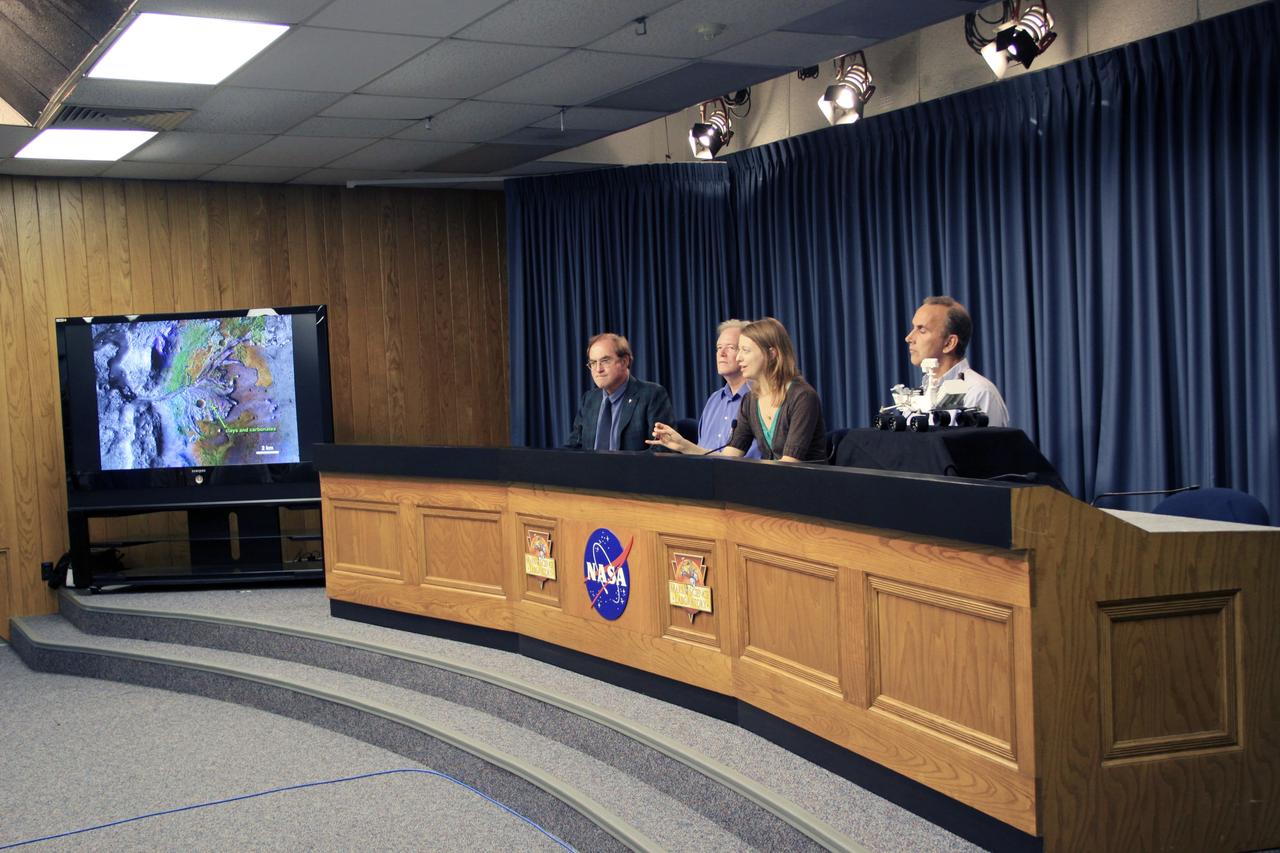
Life on Mars might be hiding under the cold red dirt right now. Robots are driving across the dusty ground, drilling into ancient lake beds and testing the air for tiny signs of biology. Scientists already know that Mars was once warm, wet, and blue just like Earth.
The short answer is simple. We have not found living alien microbes on the Red Planet today, but we have found all the ingredients needed for them to exist. Liquid water used to flow there for hundreds of millions of years. Organic molecules, which are the basic chemical blocks of living things, are sitting in the mud rocks right now.
What Mars Was Like Long Ago
Mars looks like a dry, frozen desert today. Yet billions of years ago, it had a thick layer of air and broad rivers running across its face. A giant lake filled crater named Jezero once held a rushing river delta, much like the Mississippi River on Earth.
NASA sent a six-wheeled robot named Perseverance to land in that exact lake bed. The rover dug into ancient clay rocks and picked up strong evidence of past liquid water. If you stood there 3.5 billion years ago, you would have needed an umbrella instead of a spacesuit. Water did not just trickle across the ground, it flooded the plains and filled vast ocean basins.
Why did all that water disappear? Mars lost its global magnetic shield early in its life. Without that protective bubble, fierce wind from the sun slowly stripped away most of the atmosphere. The water on the surface either boiled away into space or froze into the soil. You can check out space facts and universe updates to see how different worlds change over time.
The Clues Found in Martian Soil
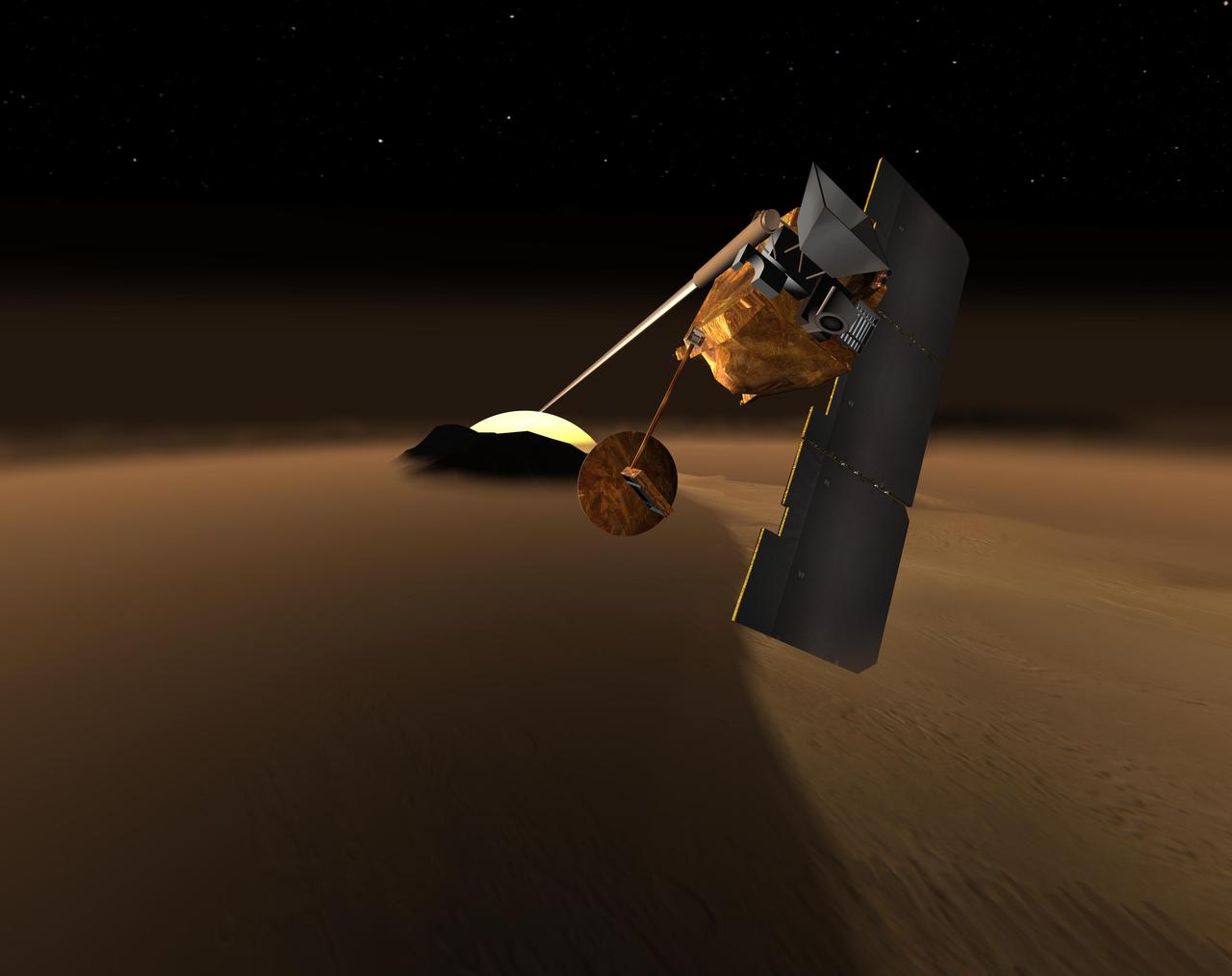
Robots have been scraping the soil on Mars for decades, and they keep finding fascinating chemical hints. In 2018, the Curiosity rover found organic molecules inside mud rocks that are three billion years old. These molecules contain carbon, hydrogen, and oxygen, which are the exact building blocks of all earthly creatures.
Finding organic chemicals does not automatically mean life made them. Volcanoes, space rocks, and simple chemical reactions between water and stone can also produce organic matter. Yet, finding them everywhere in the soil proves that the raw ingredients for life were widespread across the planet.
Scientists also tested the salt crystals left behind by ancient dried lakes. These salts can trap tiny droplets of salty water inside them for billions of years. On Earth, micro-organisms can survive inside salt rocks for millions of years. Researchers are hoping to find similar microscopic traps in samples collected on Mars.
Methane Gas Bubbles in the Air
One of the biggest mysteries on Mars is the strange behavior of methane gas. Methane is a simple gas made of one carbon atom and four hydrogen atoms. On Earth, living creatures produce almost all of the methane in our atmosphere, mostly through digestion and decay.
Sensors on the surface of Mars noticed that methane levels change with the seasons. The gas pops up in higher amounts during the warm summer months and fades away in the winter. Even stranger, satellite orbiters looking down from space sometimes fail to see the methane gas at all. This mystery keeps astrobiologists arguing constantly.
Two main options explain this gas pulse:
- Tiny microbes living deep underground release methane gas as they eat minerals.
- Warm water reacts with underground rocks in a chemical process called serpentinization.
Can Microbes Live on Mars Today?
The surface of Mars is a harsh place for anything living. The planet has no thick air layer to block harmful radiation from space. Ultraviolet light from the sun blasts the dirt every single day, which destroys cell structures quickly. Temperatures can drop to minus 100 degrees Fahrenheit on a typical night.
Yet, life on Earth survives in places that are just as tough. Microbes thrive inside the deep ice sheets of Antarctica, inside boiling hot springs, and miles beneath the ocean floor. Scientists call these tough creatures extremophiles. If life exists on Mars today, it probably lives deep underground where soil blocks the harsh rays from space.
Water still exists on Mars, but mostly as ice. There are massive ice sheets buried just a few feet under the dirt near the poles. Some scientists think small pockets of super salty water might stay liquid just below the dirt surface during hot afternoon hours. While keeping track of new discoveries, it pays to stay alert about safety online, much like reading about Crypto Scams and How to Stay Safe When Buying Digital Coins when checking new tech projects.
How We Plan to Get Final Answers
Pictures and chemical tests from rovers are wonderful, but they cannot give us absolute proof. To be 100 percent sure about past life on Mars, scientists need to examine real Martian rocks in laboratories on Earth. We need giant microscopes and clean rooms that cannot fit on a robot rover.
The Perseverance rover is currently packing small metal tubes with rock cores. It drops these tiny metal canisters onto the dusty ground in neat piles. NASA and the European Space Agency are designing a future mission to land near those tubes, pick them up with a small arm, and launch them into orbit around Mars.
Another spacecraft will grab that capsule in space and bring it back to Earth. Once those samples arrive, scientists will slice the rocks into thin layers. They will look for micro-fossils, which are the tiny shapes left behind by ancient cell walls. Finding a micro-fossil in a returned rock would change our view of the cosmos forever.
Why Finding Life on Mars Matters
Right now, Earth is the only place in the cosmos where we know life exists. Learning about the rest of our Solar System helps us understand how rare our home planet really is. If life started independently on Mars, it means biology is not a rare accident.
Think about what that means. If life started twice in just one planetary family, life must be scattered across billions of other star systems. It would mean the universe is teeming with living worlds, waiting for us to find them.
On the other hand, if Mars had warm water and organic chemicals for a billion years but stayed completely dead, life might be far rarer than we think. That would make our own planet even more special and fragile. Either answer teaches us something incredible about our place in the night sky.
What You Can Look For Tonight
You do not need a multi-billion dollar telescope to feel connected to this search. You can see Mars with your own eyes on almost any clear night. It looks like a steady red dot in the sky, and it does not twinkle as much as distant stars do.
The red color comes from iron oxide, which is just plain rust, covering the rocks on the surface. When you spot that little red light in the dark, you are looking at a real world with giant dry rivers, buried ice sheets, and rolling robot explorers. Take a minute to look up and wonder what those rovers will dig up next week.


Post a Comment