
What is Bitcoin in Simple Words for Beginners

What is Bitcoin? It is digital money that lives on the internet, and no bank or government controls it. You can send it to anyone in the world at any time without asking permission from a company.
Think of it like cash for the web. When you pay a friend with a physical dollar bill, no third party stands between you. Bitcoin works the exact same way online. People use it to buy things, send money across borders, or hold onto it hoping it keeps its value over time.
How Bitcoin Actually Works
Most digital money today relies on traditional banks. When you swipe a debit card, your bank checks your balance, updates their computer files, and approves the payment. They act as the middleman for every single deal.
Bitcoin removes that middleman completely. Instead of one bank keeping track of your funds, thousands of computers around the globe run the same software. They all keep a shared record of every transaction ever made. This giant public record is called a blockchain.
Imagine a giant notebook sitting in the middle of a town square. Every time Sarah sends 1 Bitcoin to Tom, someone writes that move down in the notebook. Everyone in town has a copy of this book on their desk. If one bad person tries to erase a payment or fake extra money on their own copy, all the other copies instantly spot the lie and reject it.
Because of this shared system, no single leader can shut the system down. No office building exists for it, and no CEO runs the project. The software relies on strict math rules that run automatically every minute of the day.
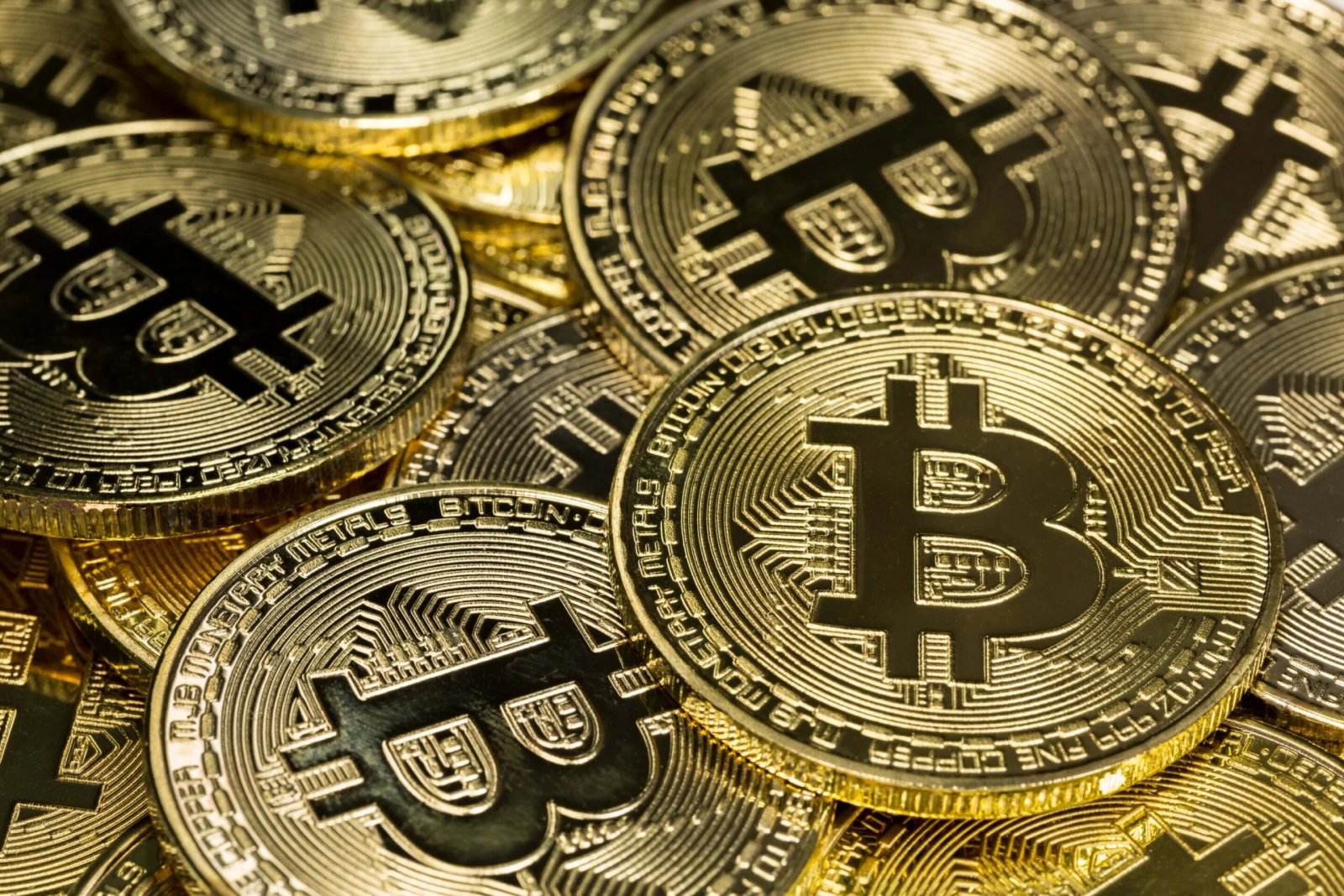
Where Do Bitcoins Come From?
Regular governments print paper cash whenever they decide to create more. They can print as much as they want, which can cause prices at the store to go up over time. Bitcoin does not work like that at all.
The system creates new coins through a process called mining. Powerful computers compete to solve hard math puzzles. The first computer to solve the puzzle gets to add a new page of transactions to the public notebook. As a reward for that hard work, the network gives that computer owner a few fresh coins.
This setup keeps the system running smoothly. It makes sure no single person can cheat, because running those fast computers costs real electricity and effort. If you try to post bad data, you waste your own power and get zero reward.
Only 21 million Bitcoins will ever exist in total. The creator wrote that hard limit directly into the code back in 2009. Right now, over 19 million coins have already been mined. The very last coin will not enter the market until around the year 2140. This built-in limit is why many people compare it to digital gold.
What Can You Do With Bitcoin?
People use this digital asset in a few distinct ways depending on their personal goals. Some use it as a simple way to transfer funds. Sending money across the world through a regular bank can take three business days and cost high fee amounts. A crypto transfer often settles in less than an hour regardless of distance.
Other users look at it as a long-term place to store wealth. They see traditional money losing buying power every year. Since nobody can print extra Bitcoins beyond the 21 million limit, these users hope their holdings keep their value over long periods. Getting your personal budget in order first is key, and learning How to Stop Impulse Buying and Save Money This Month can help you build a safe cash buffer before you try buying digital assets.
You can also buy everyday items with it, though that is less common today. Some online store shops, service providers, and charities accept it directly at check out. However, many people prefer to hold onto their coins rather than spend them on daily coffee.
What Makes Bitcoin Valuable?
A dollar bill has value because people agree it has value, and because the government backs it up. Digital cash works on simple trust and supply demand rules. It is valuable because millions of people agree it is useful, rare, and safe to trade.
Here are the key traits that give it worth:
- Scarcity: The supply stays fixed at 21 million coins forever.
- Portability: You can take millions of dollars of value anywhere on a thumb drive or phone.
- Divisibility: You do not need to buy one full coin. You can buy a tiny fraction worth just five dollars.
- Security: The network has run for over fifteen years without its core history ever getting hacked.
Think about art or gold. Gold has value because it is hard to dig up, limited in total supply, and recognized by people across the globe. Bitcoin takes those same traits and turns them into pure software.
The Real Risks You Need to Know
It is easy to get caught up in the excitement, but you must look at the dangerous parts clearly. This is a brand new technology, and it comes with real financial risks that regular bank accounts do not have.
First, prices move up and down fast. The value can drop by twenty percent in a single afternoon. If you need that money for rent next week, putting your savings into crypto is a bad idea. Only use money you can afford to lose without changing your standard of living.
Second, safety rests entirely on your shoulders. If you lose your account password or send funds to the wrong address, no customer service number exists to fix it. There is no friendly bank teller to call. If a scammer tricks you into sending them money, those funds disappear forever.
Third, laws around the world keep changing. Different countries handle digital assets in different ways. Some tax it heavily, while others put strict rules on how local exchanges can operate. You can learn more about how trading platforms handle these assets by exploring crypto basics guides for beginners.
The underlying software network for Bitcoin stays secure, but the apps and websites you use to buy it can get targeted by thieves. Protecting your account details is your own job.
How to Keep Your Money Safe
If you decide to try out digital assets, start small. Buying ten or twenty dollars worth lets you learn how the process feels without taking big risks. Never spend money you need for food, debt payments, or emergency bills.
Always set up two-factor security on any app you use. Use a strong password that you do not use anywhere else online. Ignore private messages on social media from strangers who promise to double your funds fast. Every single person who promises free guaranteed returns is trying to steal your cash.
Write your security codes down on real paper instead of keeping them in a photo on your phone. Keep that paper in a safe place inside your house. If your phone breaks or gets stolen, that paper recovery phrase is the only way to get back your funds.
Final Thoughts for Beginners
Learning how money changes in the digital age is exciting. You now know that this system operates as a open, limited-supply currency powered by computer networks rather than central bosses.
Take your time to read and learn before putting real money into any project. Ask yourself simple questions before taking any action. Do you understand the risks involved? Are you prepared for price swings? Staying cautious and curious is the best way to handle new technology.


Post a Comment